

Agri-Tech Website Design & Climate Tech Branding: AutoKrishi Smart Farming Case Study
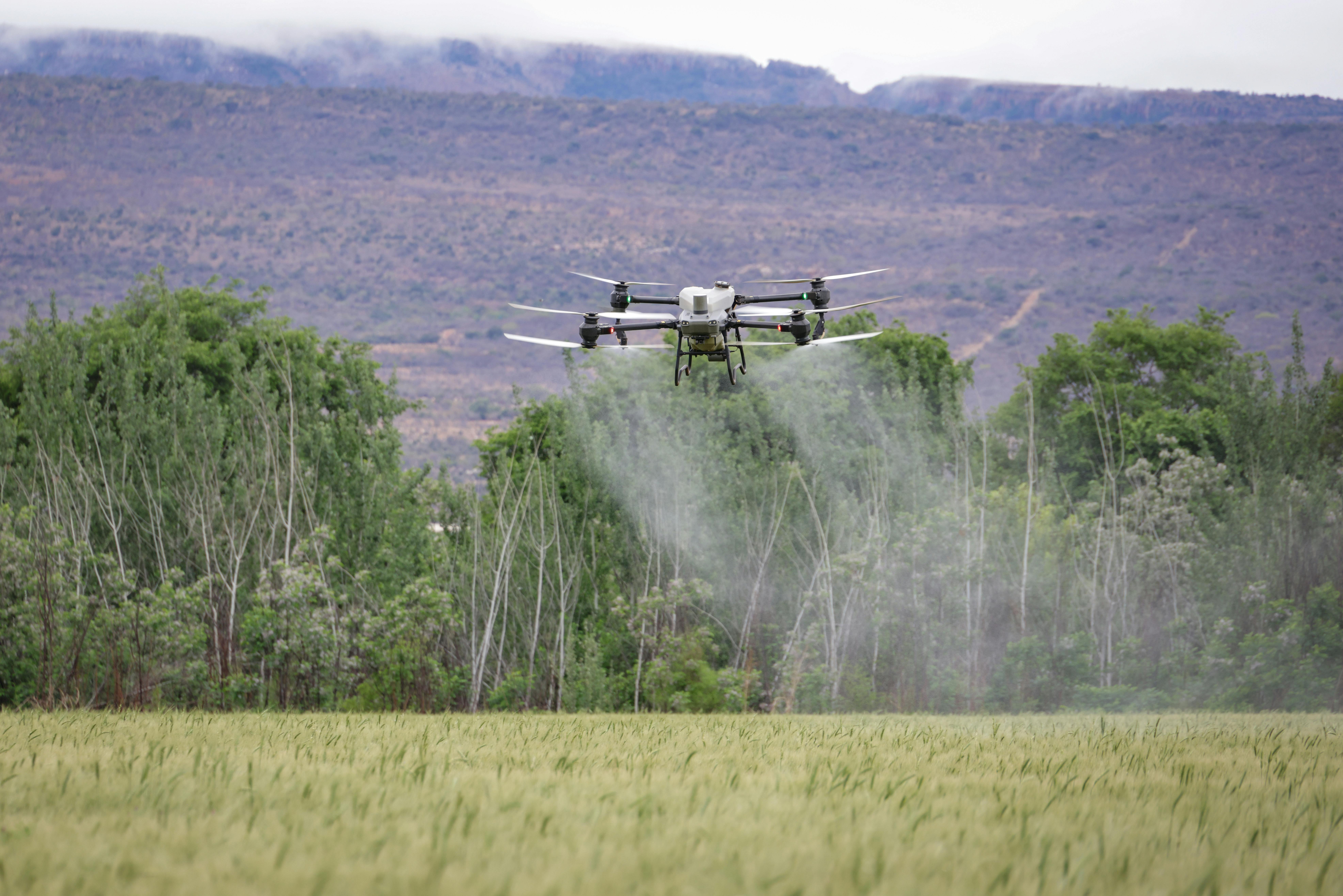
Professional Website Design & Brand Collateral for Agricultural Technology, Climate Tech & IoT Solutions
AutoKrishi is a smart farming solution combining real-time sensor data, automated irrigation, and remote monitoring for climate-controlled agriculture. As an agri-tech startup with proven IoT technology, they needed website design and sales collateral that could communicate complex agricultural automation to non-technical decision-makers—government funders, agri-research institutions, grant evaluators, and progressive farm owners evaluating climate-smart farming investments.
The challenge facing agricultural technology companies, climate tech startups, and IoT solution providers is translating technical sophistication into stakeholder confidence. While founders and engineering teams deeply understand precision agriculture, sensor networks, automation systems, and data analytics, their target audiences—public sector procurement officials, institutional funders, agricultural extension officers, and farm owners—evaluate solutions based on clarity, credibility, and proven impact rather than technical specifications.
Highland Creatives specializes in website design and branding for agri-tech companies, climate tech startups, sustainability-focused technology ventures, and IoT solutions across agriculture, environmental monitoring, renewable energy, and green tech sectors globally. Our approach bridges technical complexity with stakeholder accessibility—creating digital presence and brand collateral that builds confidence with both technical and non-technical audiences.
The Agri-Tech Website Design Challenge: Building Stakeholder Confidence
Agricultural technology companies, precision farming startups, climate tech ventures, and smart agriculture solutions face unique positioning challenges compared to consumer tech or enterprise SaaS companies. Agri-tech stakeholders span wildly different contexts:
Public Sector Funders and Grant Evaluators: Government agricultural departments, climate adaptation programs, rural development ministries, and public research funding bodies evaluate agri-tech proposals through institutional lenses—assessing technical feasibility, scalability potential, policy alignment, and organizational capacity. These stakeholders need to understand what the technology does, why it matters for agricultural productivity or climate resilience, and whether the company can deliver promised outcomes.
Agri-Research Institutions and Universities: Agricultural universities, research stations, and extension programs evaluate technology partnerships based on scientific credibility, data validity, and integration with existing agricultural research. These stakeholders appreciate technical depth but need clarity on practical implementation and farmer adoption.
Progressive Farm Owners and Agribusiness: While some large-scale farmers and agribusiness operations have technical literacy, many evaluate smart farming solutions based on ROI, ease of implementation, reliability, and peer validation rather than IoT architecture or sensor specifications.
Impact Investors and Climate Tech Funders: Venture capital, impact investors, and climate tech accelerators funding agricultural innovation assess market potential, founder credibility, technical differentiation, and scalability alongside impact metrics like water savings, emissions reduction, or smallholder farmer income improvement.
Distribution Partners and Channel Partners: Agricultural input companies, greenhouse manufacturers, irrigation equipment distributors, and farm management service providers evaluating technology partnerships need to understand integration pathways, customer value proposition, and business model clarity.
Most agri-tech startups approach website design and branding from engineering perspectives—emphasizing technical features (IoT sensors, automation algorithms, data dashboards) without translating these capabilities into stakeholder outcomes (reduced water usage, labor savings, crop yield improvement, climate resilience). This creates credibility gaps: government funders question whether the technology is deployment-ready, investors wonder if founders understand market dynamics, and farm owners remain skeptical about implementation complexity.
AutoKrishi's Website Design Requirements: Product-Ready, Not Experimental
AutoKrishi approached Highland Creatives needing digital presence that positioned their smart farming solution as deployment-ready technology, not early-stage experimentation. Their requirements included:
Clarity for Non-Technical Decision-Makers: The website needed to make IoT sensor networks, automated irrigation systems, and remote monitoring instantly understandable to agricultural department officials, grant evaluators, and farm owners without technical backgrounds.
Stakeholder-Specific Messaging: Different audiences—public sector funders reviewing climate-tech proposals, agri-research institutions evaluating pilot partnerships, and progressive farmers considering adoption—needed to quickly grasp why AutoKrishi mattered for their specific context.
Product Maturity Communication: Rather than positioning as experimental prototype, the website needed to emphasize real-world deployments, measurable impact data (water savings percentages, labor reduction metrics, installation numbers), and system reliability.
Institutional Credibility: For government procurement and grant applications, the digital presence needed to signal organizational capacity, technical competence, and deployment readiness appropriate for public sector partnerships.
Efficient Information Architecture: Busy decision-makers evaluating multiple agricultural technology proposals needed streamlined, scannable content—not dense technical documentation or generic marketing copy.
These requirements reflect broader agri-tech website design challenges: balancing technical credibility with accessibility, communicating both innovation and reliability, and serving diverse stakeholder information needs within single digital presence.
Explore the complete case study on AutoKrishi.
Strategic Website Design Approach for Agricultural Technology
Highland Creatives' approach to agri-tech website design and climate tech branding focuses on translating technical complexity into stakeholder confidence. Our methodology includes:
Stakeholder-Centered Information Architecture: We map content structure to actual decision-making processes. For AutoKrishi, this meant organizing information around key stakeholder questions: What does this technology do? (clear product explanation), Why does it matter? (impact metrics and use cases), Is it proven? (deployment evidence and data), Can we trust this team? (credibility signals), and How do we proceed? (clear calls-to-action for different stakeholder types).
Technical Translation, Not Simplification: Rather than dumbing down agricultural technology, we translate complexity into accessible language. AutoKrishi's IoT sensor networks, automated irrigation algorithms, and remote monitoring systems are explained through farmer outcomes (water savings, reduced field labor, crop health visibility) and institutional benefits (climate adaptation, resource efficiency, scalable deployment) rather than technical specifications alone.
Evidence-Based Credibility Building: Agri-tech stakeholders—particularly government funders and institutional buyers—evaluate credibility through evidence. We integrated real deployment data, measurable impact metrics (water consumption reduction percentages, labor hour savings), installation numbers, and use case specificity (greenhouse climate control, protected cultivation, precision irrigation) throughout the website.
Product-First Visual Design: The website visual identity emphasizes product maturity and technical sophistication. Clean, future-facing design communicates innovation and reliability simultaneously—critical for climate tech positioning. Product photography showcasing actual installations, dashboard interfaces, and field deployments builds tangible confidence that this is deployed technology, not conceptual prototype.
Multi-Purpose Digital Asset: Recognizing that agri-tech websites serve multiple use cases—direct traffic from search and referrals, linked from grant applications and proposals, shared in stakeholder presentations, referenced in partnership discussions—we designed for both active browsing and quick reference scenarios.
Sales Collateral Design for Institutional Outreach
Alongside website design, we created sales brochure supporting AutoKrishi's field demonstrations, institutional outreach, grant applications, and partnership discussions. Climate tech and agri-tech sales collateral serves different functions than consumer product marketing:
Technical Stack Communication: The brochure breaks down AutoKrishi's technology components—sensors, automation systems, connectivity, dashboard analytics—in accessible format for technical evaluators at research institutions while remaining comprehensible to non-technical grant reviewers.
Impact Metrics Emphasis: Rather than feature lists, the collateral leads with measurable outcomes: water savings percentages, labor reduction metrics, crop monitoring benefits, and climate resilience contributions. This evidence-based approach resonates with government funders, impact investors, and institutional buyers evaluating ROI and impact.
Deployment Evidence: Including real installation numbers, pilot project results, and use case diversity (greenhouse automation, protected cultivation, precision irrigation) builds confidence that AutoKrishi is operational technology with proven field performance.
Quick-Scan Format: Designed for busy decision-makers reviewing multiple proposals, the brochure uses visual hierarchy, data visualization, and efficient layout enabling rapid comprehension—critical for government procurement contexts and investor pitch scenarios.
Multi-Context Usability: The collateral works across contexts—left behind after field demonstrations, attached to grant applications, included in partnership proposals, distributed at agricultural technology conferences—requiring professional print quality and standalone clarity without supplementary explanation.
The Outcome: Digital Presence That Works as Hard as the Hardware
The resulting website and sales collateral position AutoKrishi as deployment-ready smart farming solution for climate-controlled agriculture:
Stakeholder Confidence Across Contexts: The website communicates product maturity and organizational credibility to government funders, positions technical sophistication for agri-research partnerships, and translates IoT complexity into farmer-relevant outcomes for agricultural adoption.
Strategic Asset for Funding and Partnerships: Rather than generic marketing site, the digital presence actively supports grant applications, public-sector proposals, pilot partnership development, and institutional buyer evaluation—functioning as credibility-building tool throughout stakeholder engagement processes.
Technical Credibility with Accessibility: The website achieves rare balance for agri-tech companies—demonstrating genuine technical sophistication (precision agriculture, IoT automation, data-driven farming) while remaining instantly comprehensible to non-technical decision-makers evaluating agricultural innovation.
Impact-Focused Narrative: By emphasizing measurable outcomes (water savings, labor efficiency, climate resilience) over technical features alone, the website and collateral speak the language of government funders, impact investors, and agricultural institutions evaluating social and environmental returns alongside technical capability.
Efficient Stakeholder Communication: The streamlined information architecture enables AutoKrishi team to effectively communicate product value in pilot outreach, grant discussions, and partnership conversations—reducing explanation burden and accelerating stakeholder understanding.
While technically lean, the website delivers strategic weight appropriate for public-sector engagement, institutional partnerships, and climate-tech positioning. AutoKrishi now has digital presence that matches the sophistication of their agricultural automation technology.
Why Agricultural Technology Companies Need Professional Website Design & Branding
Agri-tech startups, climate tech ventures, and agricultural IoT companies often underinvest in digital presence and brand development, viewing these as secondary to product development. This perspective misunderstands how stakeholder confidence forms in agricultural technology sectors.
Government Funding and Grant Success: Public sector agricultural departments, climate adaptation programs, and rural development ministries distribute significant funding for agricultural innovation. Grant evaluators assess organizational capacity partially through digital presence—professional websites signal operational maturity, while amateur or outdated sites raise questions about implementation readiness.
Institutional Partnership Development: Agricultural universities, research stations, NGO implementation partners, and agribusiness companies evaluate technology partnerships based on credibility signals. Strong digital presence accelerates partnership conversations by pre-establishing legitimacy.
Investor Confidence: Climate tech investors, impact VCs, and agricultural innovation funds assess founding teams partially through how effectively they communicate complex technology to diverse stakeholders. Websites demonstrating stakeholder communication competence suggest founders understand market dynamics beyond engineering.
Farmer and End-User Adoption: While farmers may not directly discover agri-tech solutions through website search, progressive farm owners researching smart agriculture, distributors evaluating partnerships, and agricultural extension officers recommending technologies all reference digital presence when forming recommendations.
Media and Conference Visibility: Agricultural technology journalists, climate tech publications, and conference organizers feature companies with clear positioning and accessible communication. Strong websites increase media coverage opportunities and speaking invitations.
Talent Attraction: Top agricultural engineers, data scientists, agronomists, and business development professionals choosing between agri-tech startups evaluate organizational credibility partially through digital presence and brand sophistication.
Common Agri-Tech Website Design and Branding Mistakes
Mistake 1: Over-Technical Communication
Many agricultural technology companies describe solutions through engineering lenses—IoT architecture, sensor specifications, algorithm details—without translating technical capabilities into stakeholder outcomes. Government funders and farm owners need to understand impact (water savings, yield improvement, climate resilience), not just features.
Mistake 2: Generic "Innovation" Positioning
Climate tech and agri-tech sectors are crowded with companies claiming to "revolutionize agriculture" or "transform farming." Without specific differentiation—particular crops, climate contexts, farm scales, technological approaches, or impact metrics—websites fail to communicate actual value.
Mistake 3: Prototype Aesthetics When Product is Deployment-Ready
Startups with proven technology and real installations sometimes maintain early-stage website aesthetics (minimal content, conceptual imagery, vague messaging) that undermine stakeholder confidence in deployment readiness.
Mistake 4: Single-Audience Focus
Agri-tech websites optimized only for farmers miss institutional funders; sites designed only for investors miss agricultural research partnerships. Effective agricultural technology digital presence serves multiple stakeholder types simultaneously.
Mistake 5: Lacking Evidence and Data
Claims about water savings, yield improvements, or efficiency gains without specific metrics, pilot results, or deployment evidence fail to build credibility with skeptical agricultural stakeholders.
Mistake 6: Poor Mobile and Field Usability
Agricultural technology websites accessed during field visits, farm demonstrations, or agricultural conferences need mobile-optimized design and fast loading—technical content-heavy sites often neglect this.
Best Practices for Climate Tech and Agri-Tech Website Design
Lead with Impact, Support with Technology: Structure website content around stakeholder outcomes (water conservation, climate adaptation, farmer income) with technology as enabler rather than leading with technical features.
Stakeholder-Specific Pathways: Create clear navigation or content sections addressing different audiences—farmers/farm owners, government and institutional funders, research and academic partners, investors and accelerators, distribution partners.
Evidence-Based Credibility: Integrate specific deployment numbers, measurable impact data, pilot project results, partner logos, and use case diversity throughout website rather than isolated case study section.
Visual Product Communication: Use actual product photography, installation documentation, dashboard screenshots, and field imagery rather than generic stock photos or conceptual illustrations—tangible visuals build confidence.
Clear Calls-to-Action for Different Stakeholders: Farmers need demo requests, government funders need proposal contact, researchers need pilot partnership information, investors need deck downloads—provide appropriate CTAs for each audience.
Technical Depth Without Overwhelming: Offer technical documentation, white papers, or specifications for audiences needing detail while maintaining accessible primary content for non-technical decision-makers.
Mobile-First Design: Ensure full functionality and readability on mobile devices for field demonstrations, conference networking, and on-the-go stakeholder reference.
Highland Creatives specializes in website design and branding for agri-tech companies, climate tech startups, agricultural IoT solutions, precision farming technologies, and sustainability-focused ventures globally. Our team understands the unique challenge of translating technical agricultural innovation into stakeholder confidence across government funders, research institutions, impact investors, distribution partners, and end-users. Whether you're developing smart farming solutions, agricultural automation, climate-controlled cultivation systems, precision irrigation technology, crop monitoring platforms, or sustainable agriculture innovations, we create digital presence and brand collateral that bridge technical sophistication with multi-stakeholder accessibility. From product-focused websites to grant application support materials, institutional pitch decks to field demonstration brochures, we build communication assets that work as hard as your technology. Contact Highland Creatives at highlandcreatives.com to discuss how professional website design and branding can accelerate your agri-tech company's funding, partnerships, and market adoption.
Frequently Asked Questions About Agri-Tech Website Design & Climate Tech Branding
What makes agri-tech website design different from other technology sectors?
Agricultural technology website design must communicate complex IoT, automation, and data systems to diverse non-technical stakeholders—government funders, agricultural extension officers, farm owners—while maintaining technical credibility for research institutions and investors. Unlike B2B SaaS or consumer tech, agri-tech websites serve institutional buyers, public sector procurement, academic partnerships, and end-user adoption simultaneously, requiring multi-stakeholder information architecture and evidence-based credibility building.
How much does professional website design cost for climate tech and agri-tech companies?
Professional agri-tech website design and branding investment varies based on complexity, but comprehensive packages—including stakeholder research, information architecture, content strategy, visual design, responsive development, and sales collateral—typically range from mid-tier to premium pricing. Highland Creatives works with early-stage startups through growth-stage agricultural technology companies, structuring engagements appropriate to funding stage and business objectives.
What should agri-tech websites include to build government and institutional credibility?
Effective agricultural technology websites for government and institutional stakeholders include: clear product/solution explanation accessible to non-technical audiences, specific impact metrics and deployment evidence (water savings percentages, installation numbers, pilot results), use case diversity demonstrating scalability, stakeholder logos and partnerships, founder/team credibility signals, technical documentation for evaluators, and clear engagement pathways for partnership or funding discussions.
Do you work with early-stage agri-tech startups or only established companies?
Highland Creatives works with agricultural technology companies across stages—from pre-seed startups preparing for accelerator applications and grant proposals to growth-stage companies raising Series A or expanding market reach. We structure website design and branding engagements appropriate to each stage, recognizing that early-stage companies need efficient, high-impact digital presence while growth-stage companies require more comprehensive brand systems and market positioning.
Can you help with grant applications and government proposal materials?
Yes. We design sales collateral, pitch decks, and support materials specifically for government grant applications, public sector proposals, and institutional funding discussions. These materials translate technical agricultural innovation into language and formats expected by government evaluators, emphasizing impact metrics, deployment readiness, scalability potential, and policy alignment alongside technical capability.
What agricultural technology sectors do you specialize in?
Highland Creatives works across agricultural technology sectors including precision farming and smart agriculture, agricultural IoT and sensor networks, automated irrigation and water management, climate-controlled agriculture and greenhouse automation, crop monitoring and plant health systems, agricultural robotics and automation, sustainable agriculture and regenerative farming technology, agricultural data analytics and decision support, supply chain and post-harvest technology, and climate adaptation solutions for agriculture. Our approach translates across specific agri-tech domains.
How do you translate complex agricultural IoT and automation into accessible website content?
Our process involves deep stakeholder research understanding how government funders, farm owners, research institutions, and investors actually evaluate agricultural technology. We then structure content around stakeholder questions and decision criteria rather than engineering specifications, translate technical capabilities into outcome language (e.g., "IoT sensor network enabling 40% water savings" rather than "multi-node wireless sensor array"), use visual communication and data visualization to explain complexity, and provide technical depth for audiences needing it without overwhelming primary content.
Where are you located and what markets do you serve?
Highland Creatives works with agricultural technology companies, climate tech startups, and sustainability-focused ventures globally. We serve companies across India (agricultural technology hub with significant smart farming innovation), North America (U.S. and Canadian agri-tech ecosystem), Europe (EU climate tech and sustainable agriculture), Southeast Asia (Singapore, Hong Kong, Malaysia agricultural innovation), and other regions developing precision agriculture, climate-smart farming, and agricultural automation solutions for both developed and emerging markets.
How long does agri-tech website design and branding take?
Typical agricultural technology website design projects take 6-10 weeks depending on complexity and stakeholder review cycles. Timeline includes discovery phase (stakeholder research, competitive analysis, content strategy), design phase (information architecture, visual design, content development), development phase (responsive build, content integration, testing), and launch support. We work within agri-tech company timelines—accelerating for grant deadlines or investor milestones when needed.
What's the ROI of professional website design for agri-tech companies?
Agricultural technology companies investing in professional digital presence typically see measurable returns through increased government grant success rates (professional websites signal organizational capacity), accelerated institutional partnership development (credible digital presence reduces stakeholder due diligence friction), improved investor confidence and fundraising outcomes (websites demonstrating market communication competence), enhanced media coverage and conference speaking opportunities, stronger talent attraction and team building, and increased inbound partnership and pilot inquiries. While attribution varies, most agri-tech founders report that professional website design pays for itself through single successful grant application or partnership.
Keywords: agri-tech website design, agricultural technology branding, climate tech website design, smart farming branding, precision agriculture website, IoT agriculture branding, agri-tech branding agency, agricultural technology web design, climate-smart agriculture branding, farming technology website design, agricultural automation branding, greenhouse technology website, precision farming branding, agricultural IoT website design, sustainable agriculture branding, agtech startup website, climate tech startup branding, agricultural innovation website design, smart agriculture branding, farm technology website, agricultural technology digital presence, agri-tech sales collateral, climate tech pitch deck, agricultural technology grant materials, precision farming marketing, IoT agriculture website, automated irrigation branding, crop monitoring technology website, agricultural data platform branding, agribusiness technology website, sustainable farming technology branding, agricultural robotics website design, farm automation branding, climate-controlled agriculture website, protected cultivation technology branding, agricultural sensor technology website, farm management technology branding, agri-tech institutional materials, agricultural technology government proposals, precision agriculture marketing materials, climate tech digital presence, agricultural innovation branding, smart farming digital marketing
Author Profile
Angelina Sunder
Brand Strategy and Growth
Angelina Sunder founded Highland Creatives after a decade of watching smart founders lose deals to brands that were better positioned, not better built. She works with fintech and SaaS founders across Hong Kong, Singapore, and beyond on brand strategy, cross-cultural positioning, and growth.